
To harvest zucchini, use sharp shears or a knife to cut the stem of the zucchini from the plant, leaving a small piece of stem attached to the fruit. Harvest zucchinis regularly when they are between 6-8 inches in length and have a shiny, dark green color. Avoid pulling or twisting the zucchini from the plant to prevent damage.
Zucchini is a versatile and delicious vegetable that is easy to grow in the home garden. Whether you are an experienced gardener or a beginner, harvesting zucchini can be a bit tricky.
To help you get the most out of your zucchini plants, I’m here with this to-the-point article about harvesting zucchini. From knowing when to harvest to the best techniques for picking and storing your zucchini, this article has everything you need to know.
Let's take a look at the topic in more detail.
Understanding the Basics of Zucchini Harvesting

Before we dive into the specifics of harvesting zucchini, it's important to understand the basics. Zucchini is a summer squash, which means that it grows quickly and needs to be harvested regularly to prevent it from becoming too large and tough.
When to Harvest Zucchini?
Knowing when to harvest zucchini is essential to ensure that your vegetables are at their peak flavor and quality. Here are some signs to look for when picking zucchini:
- Size: Zucchinis should be between 6-8 inches in length and 2 inches in diameter when harvested. If they're allowed to grow larger, they may become tough and woody.
- Color: Zucchinis should have a shiny, dark green color when they're ready to be harvested.
- Texture: The skin of the zucchini should be firm and smooth, with no soft spots or bruises.
If you let your zucchini grow too big, it will become tough and less flavorful.
How to Harvest Zucchini?
Harvesting zucchini is an essential part of maintaining a healthy and productive garden. Whether you're a seasoned gardener or just starting, knowing how to harvest zucchini correctly will help you get the most out of your plant.
Here are steps to harvest zucchini or courgettes.
Prepare your tools
To harvest zucchini, you can use pruners, scissors, or a knife. Make sure that your tool is sharp and clean to avoid damaging the plant.
Harvest the zucchini fruit
To harvest the zucchini fruit, cut off the stem about 1" to 2" from the body of the fruit using your tool of choice. Alternatively, you can twist the fruit off the stem, but be careful not to damage the plant.
Harvest the Zucchini male flowers
To harvest the male flowers, cut off the stem an inch or two below the blossom. This provides something to hold onto while cooking and prevents damage to the delicate flower. Immediately remove the stamen in the center of the flower while it is fully open to prevent the petals from closing.
Harvest the Zucchini female flowers
It is advisable to pinch or cut the female zucchini flowers off the squash to harvest them without damaging them.
These steps can help you harvest zucchini properly, ensuring that you get a good harvest from your plants and that they stay healthy, too.
Related Reading:
- What is Zucchini Summer Squash and How to Plant Zucchini from Seeds?
- How to Find, Prevent, and Treat Zucchini Plant Problems?
- When to Transplant Zucchini Seedlings? Let’s find out
Tips for Successful Harvesting Zucchini

Here are some additional tips to help you get the most out of your zucchini harvest:
- Harvest zucchinis in the morning when the fruits are still cool and fresh.
- Check your plants daily and harvest any zucchinis that are ready to be picked.
- If you're not sure if zucchini is ready to be harvested, give it a gentle squeeze. If it feels firm, it's ready. If it feels soft or spongy, it's overripe.
- Don't wait too long to harvest zucchinis, as this can cause the plant to stop producing new fruits.
- If you have a lot of zucchinis to harvest at once, store them in a cool, dry place away from direct sunlight.
How To Store Zucchini For Longer Times?
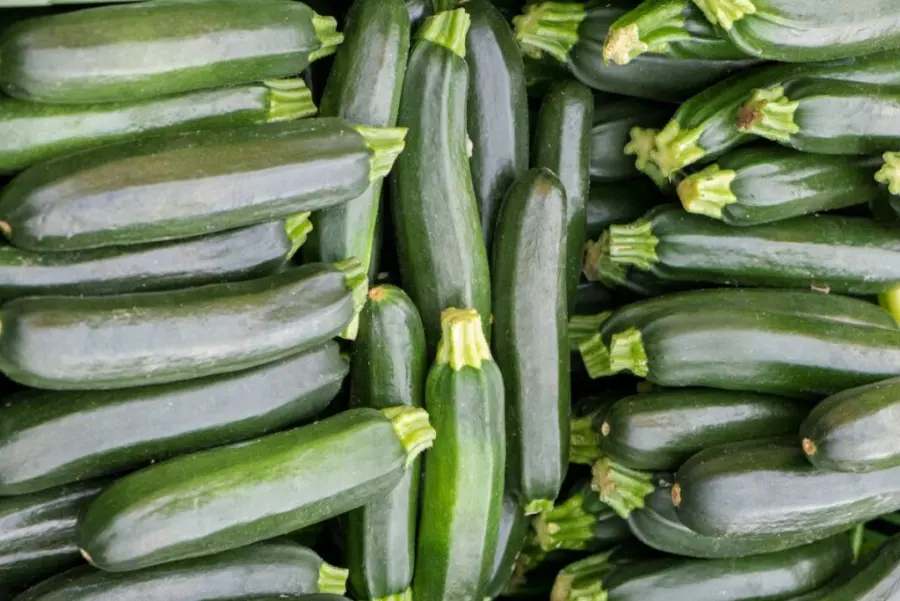
Like most vegetables, zucchinis have a limited shelf life, and improper storage can lead to spoilage and waste. Learning how to properly store zucchinis can help you extend their freshness and flavor, and make the most out of your purchase.
Here are different methods for storing zucchini, including in the fridge, freezer, and other options.
In The Fridge
Here’s how you can store zucchinis or courgettes in the fridge.
- Choose fresh, firm zucchinis with no bruises or soft spots.
- Do not wash the zucchinis until you are ready to use them.
- Wrap each zucchini individually in paper towels or a cloth towel to absorb any moisture.
- Place the wrapped zucchinis in a plastic bag or container and seal it tightly.
- Store the zucchinis in the vegetable crisper drawer of the fridge, where the temperature is between 32-40°F (0-4°C).
Zucchinis can last up to 1-2 weeks in the fridge using this method.
In The Freezer:
Here’s how you can store zucchinis or courgettes in the freezer.
- Wash the zucchinis and cut them into desired shapes and sizes.
- Blanch the zucchinis in boiling water for 1-2 minutes and then immediately transfer them to a bowl of ice water to stop the cooking process.
- Drain the zucchinis and place them in a single layer on a baking sheet or tray.
- Freeze the zucchinis for 1-2 hours until they are completely frozen.
- Once frozen, transfer the zucchinis to a freezer-safe container or bag, removing any excess air, and seal it tightly.
- Store the zucchinis in the freezer at 0°F (-18°C) or below.
Frozen zucchinis can last up to 1-3 months.
Other Options For Storing Zucchini or Courgettes
Here are some other options one can use for storing zucchini.
- Zucchinis can also be stored in a cool and dark pantry, away from direct sunlight, for up to 1-2 weeks.
- You can also pickle zucchinis by placing them in a jar with a mixture of vinegar, salt, and spices, and storing them in the fridge for up to 2-3 weeks.
Remember to always inspect your zucchinis before storing and discard any that have signs of mold, soft spots, or are no longer fresh.
Related Reading:
- How To Harvest Cucumbers In Containers?
- Eggplant Companion Plant Gardening: Tips And Tricks For A Bountiful Harvest
- 5 Times You Should Prune Tomato Plants For Huge Harvests
- Carrot Disease Management: A Comprehensive Guide To Understanding And Preventing Carrot Diseases
- How To Tell When A Ripe Pumpkin Is Ready To Pick?
Conclusion
Harvesting zucchini is a fun and rewarding experience, but it's essential to do it correctly to ensure a bountiful harvest. With these tips and techniques, you can get the most from your garden and harvest zucchinis at the right time.
So step ahead and put your green thumb to work, and enjoy fresh zucchini straight from your garden. With a little patience and know-how, you'll harvest zucchini like a pro in no time.
Remember, the key is to harvest your zucchini regularly, check for ripeness signs, and handle them gently. This will ensure the best taste and quality.
What to Do With an Oversized Zucchini
Even careful gardeners miss one hiding under the leaves. If you find a zucchini that's grown past a foot long, it isn't wasted - the seeds inside will be large and the skin tough, so peel it and scoop out the seed core before cooking. Oversized zucchini is better suited to shredding for baked goods, soups, or fritters than to dishes where you want firm slices, since the flesh gets spongier as the fruit matures. Leaving overgrown fruit on the vine also signals the plant to slow down new fruit production, so removing it - even if you don't plan to eat it - helps keep the rest of the harvest coming.
How Often to Check Your Plants
During peak summer growth, zucchini can add an inch or more in a single day. Checking plants only once a week is one of the most common reasons gardeners end up with a pile of baseball-bat-sized squash. Walk your rows every one to two days once fruit starts setting, and part the large leaves to check for fruit hiding near the base of the plant, where it's easy to miss.
Storing Zucchini After Harvest
Freshly picked zucchini keeps for about a week in the refrigerator if stored unwashed in a loosely closed or perforated bag in the crisper drawer. Don't wash it until you're ready to use it - surface moisture speeds up decay. If your harvest is coming in faster than you can eat it, zucchini also freezes well: slice or shred it, blanch slices briefly in boiling water, cool them quickly in ice water, then pack into freezer bags with the air pressed out.
Caring for Your Harvesting Tools
Whatever tool you use for picking - pruners, a knife, or scissors - wipe the blade with rubbing alcohol between plants if you're working through a garden with any sign of disease. Squash plants can pass along bacterial wilt and other pathogens on cutting tools, and a quick wipe-down takes seconds compared to losing a plant.
Why Does My Zucchini Taste Bitter After Harvest?
Occasionally a squash plant produces fruit with a bitter, almost unpleasant taste. This usually traces back to plant stress from drought, extreme heat, or irregular watering, which raises levels of naturally occurring compounds called cucurbitacins. It's more common in older heirloom varieties than modern hybrids. If a zucchini tastes noticeably bitter, especially near the stem end, it's best to discard that fruit rather than eat it, and make sure the plant gets consistent watering going forward.
Should You Pick Zucchini Blossoms Too?
You can, and many cooks consider them a delicacy. Male blossoms are the better choice to pick, since removing them doesn't reduce your fruit count - just leave a handful on the plant to keep pollinators fed and pollination active. Harvest blossoms in the early morning while they're still fully open, and use them the same day, as they wilt quickly once picked.
What to Do with Overgrown Zucchini
If you miss one hiding under the leaves and it grows into a baseball bat, it isn't wasted. Overgrown zucchini gets watery and develops large, tough seeds, so it's not great sliced raw or lightly sauteed, but it still works well in dishes where you shred or puree it. Grate it for zucchini bread, fritters, or muffins, or scoop out the seedy core and stuff the shell with a rice or meat filling before baking. Scrape out the seeds first regardless of what you're making, since they're the main reason overgrown squash tastes bitter and watery.
Letting a few zucchini grow oversized on purpose isn't a bad idea if you want to save seeds, since seeds from immature fruit won't have developed enough to germinate reliably.
Common Harvesting Mistakes That Hurt Your Yield
The biggest mistake gardeners make is not harvesting often enough. Zucchini plants that are allowed to hold onto a few large fruits slow down production of new flowers and fruit, because the plant redirects energy into ripening what's already there instead of setting new fruit. Checking your plants every one to two days during peak season, rather than once a week, keeps the plant producing at full speed.
Another mistake is harvesting with dirty or dull tools. A dull blade crushes the stem instead of cutting it cleanly, which leaves a ragged wound that's slower to heal and more vulnerable to fungal infection. Wipe your shears or knife with rubbing alcohol between plants if you're managing more than one variety or if you've noticed any disease symptoms in the garden, so you don't spread pathogens from a sick plant to a healthy one.
Why did my zucchini turn yellow and mushy while still on the vine?
This is usually blossom end rot or a fruit that went unharvested too long and started to break down. Blossom end rot shows up as a soft, sunken, yellow-to-brown patch on the blossom end of the fruit and is typically caused by inconsistent watering that disrupts calcium uptake, not a lack of calcium in the soil itself. Keep watering consistent and remove any affected fruit so the plant can put its energy into healthy ones.
Can you harvest zucchini after a light frost?
Zucchini plants and fruit are damaged by frost quickly since they have no cold tolerance. If a light frost is forecast, harvest everything usable beforehand, including any flowers you plan to cook with. The plant itself usually won't recover once its leaves have been hit hard by freezing temperatures.
Should you remove the whole plant at the end of the season?
Once night temperatures start dropping into the 40s and production slows to a crawl, it's usually not worth trying to squeeze out a few more fruits. Pull the plant and add the healthy parts to your compost pile, but skip composting any foliage that showed signs of powdery mildew or other disease, since home compost piles rarely get hot enough to kill off those spores. Clearing the bed promptly also removes overwintering sites for squash bugs and vine borer pupae, which can otherwise carry over and cause problems again the following spring.