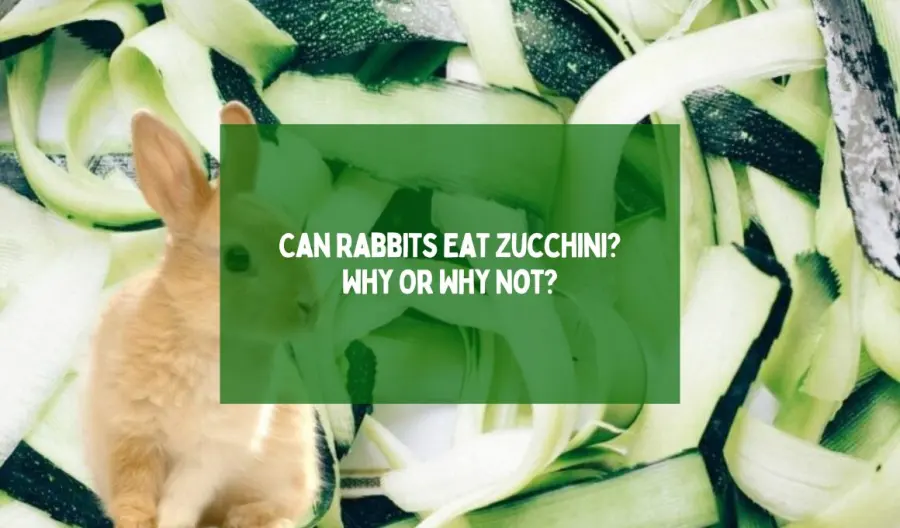
Rabbits are adorable and furry creatures that make wonderful pets. As responsible rabbit owners, it is crucial to provide them with a balanced and nutritious diet.
While hay, pellets, and fresh greens are staples in a rabbit's diet, you may be curious about expanding their food options. One common question that arises is, "Can rabbits eat zucchini?"
In this article, we will delve into the world of rabbits and zucchini, exploring whether it is a safe and healthy choice for your furry friend.
So, let's hop right in!
Can Rabbits Eat Zucchini?
Many people enjoy zucchini, a versatile summer squash. However, when it comes to rabbits, it is essential to evaluate its suitability as part of their diet. Yes, rabbits can eat zucchini.
Rabbits are herbivores, and their digestive systems are designed to process a wide variety of plant-based foods. To determine if zucchini is safe for rabbits, we must consider its nutritional content and potential risks.
Nutritional Benefits of Zucchini
Zucchini is a low-calorie vegetable that contains several essential nutrients beneficial to rabbits. It is an excellent source of dietary fiber, which aids in maintaining healthy digestion in rabbits.
Additionally, zucchini is rich in vitamin C, an important antioxidant that supports the immune system. Other nutrients found in zucchini include vitamin K, vitamin B6, potassium, and manganese, which contribute to overall rabbit health.
Rabbit's Digestive System and Zucchini
Rabbits possess a sensitive digestive system that relies on a high-fiber diet to function optimally.
The majority of their diet should consist of hay, grass, and leafy greens. While zucchini is generally safe for rabbits to consume, it should only be offered as an occasional treat.
Incorporating small portions of zucchini into a balanced rabbit diet can provide additional nutrients and variety.
Feeding Zucchini to Rabbits: Guidelines and Precautions
When introducing zucchini to your rabbit's diet, it is essential to follow some guidelines and take the necessary precautions.
Moderation is Key
Zucchini should be offered in moderation, as too much can upset a rabbit's delicate digestive balance. Start by introducing small portions and monitoring your rabbit's response.
Fresh and Organic
Always choose fresh, organic zucchini for your rabbit. Avoid zucchinis that are moldy or overripe, as they can cause digestive issues.
Wash and Slice
Before feeding zucchini to your rabbit, thoroughly wash it to remove any pesticides or dirt. Cut the zucchini into small, manageable slices, making it easier for your furry friend to eat.
Introduction Period
Introduce zucchini gradually into your rabbit's diet. Begin by offering a small slice and observing your rabbit for any adverse reactions. If your rabbit shows signs of digestive upset, such as diarrhea or bloating, discontinue feeding zucchini immediately.
Monitor Consumption
Keep an eye on the quantity of zucchini your rabbit consumes. While zucchini can be a healthy addition to their diet, it should not replace essential foods like hay or leafy greens.
Variety is Key
Remember that zucchini should be just one component of a varied diet. Offer your rabbit a diverse range of vegetables and herbs to ensure they receive a wide array of nutrients.
Potential Risks and Considerations
While zucchini is generally safe for rabbits, there are a few potential risks and considerations to keep in mind:
High Water Content
Zucchini has a high water content, which can lead to loose stools or diarrhea if consumed excessively. Ensure your rabbit has access to fresh water at all times to prevent dehydration.
Oxalates
Zucchini contains oxalates, which, in large amounts, can contribute to the formation of bladder stones in rabbits. To mitigate this risk, ensure your rabbit has a balanced diet with a variety of vegetables and does not rely solely on zucchini.
Allergic Reactions
While rare, some rabbits may have allergies or sensitivities to zucchini. If you notice any adverse reactions, such as itching, hives, or respiratory distress, discontinue feeding zucchini immediately and consult a veterinarian.
Avoid Seeds
Remove the seeds from the zucchini before offering it to your rabbit. The seeds can pose a choking hazard or cause digestive issues.
Conclusion
Rabbits can eat zucchini as part of a balanced diet. Zucchini offers various nutritional benefits and can be a healthy treat for your furry friend. However, it is essential to feed zucchini in moderation and ensure it does not replace essential foods like hay and leafy greens.
Always monitor your rabbit for any adverse reactions and consult a veterinarian if you have concerns. Remember, a diverse diet with a range of vegetables is crucial for your rabbit's well-being.
So go ahead and share a small slice of zucchini with your bunny companion!
FAQs about Rabbits and Zucchini
Can baby rabbits eat zucchini?
It is generally recommended to introduce solid foods gradually to baby rabbits. Consult a veterinarian before including zucchini in a baby rabbit's diet.
Are there any alternative vegetables to feed rabbits?
Yes, several vegetables are safe and healthy for rabbits, such as kale, spinach, cilantro, and carrots. Always introduce new foods slowly and monitor your rabbit's response.
How to Introduce Zucchini to Your Rabbit's Diet
When you first offer zucchini to your rabbit, start with a small piece — about a one-inch cube is plenty for a first try. Watch your rabbit closely over the next 24 hours for any signs of soft stool, gas, or reduced appetite. If everything looks normal, you can work zucchini into the regular rotation of fresh vegetables you offer, but it should never make up more than a small fraction of the daily diet. A good rule of thumb is no more than one to two tablespoons of chopped zucchini per two pounds of body weight, a couple of times a week, mixed in with other leafy greens rather than fed as a standalone meal.
Always wash zucchini thoroughly before handing it to your rabbit, and cut it into manageable pieces so your rabbit isn't struggling to gnaw through a whole log. There's no need to peel it — the skin is safe and actually adds extra fiber.
Can Rabbits Eat Zucchini Leaves, Skin, and Flowers?
Yes, and many rabbit owners overlook this. Zucchini leaves and the flowers, both male and female blossoms, are safe for rabbits and are often more appealing to them than the fruit itself, since the leaves are closer to the leafy greens rabbits naturally forage on. If you grow your own zucchini, thinning out a few young leaves for your rabbit is a great way to use garden trimmings without waste. The skin of the zucchini fruit is also fine to leave on — just make sure it hasn't been treated with any pesticide or wax coating, which is common on some store-bought produce.
The seeds inside a young zucchini are soft and pose no problem, but if you're feeding an overgrown zucchini with hardened, mature seeds, it's best to scoop those out first, along with the tougher core surrounding them.
What to Avoid When Feeding Zucchini to Rabbits
- Never feed cooked or seasoned zucchini. Butter, salt, garlic, and oil used in cooking can all upset a rabbit's stomach or introduce ingredients that are outright harmful to them.
- Skip moldy or overripe zucchini. Any softness, sliminess, or off smell means it should go in the compost, not the food bowl.
- Don't substitute zucchini for hay. Hay should always account for the bulk of a rabbit's diet, roughly 80 percent or more, with vegetables like zucchini serving only as a supplement.
- Avoid feeding zucchini to very young rabbits. Rabbits under twelve weeks old have delicate digestive systems still adjusting to solid food, and new vegetables should be introduced gradually well after that point.
Signs Your Rabbit Isn't Tolerating Zucchini Well
If you notice diarrhea, unusually soft or mucus-coated droppings, bloating, or a rabbit that stops eating or seems lethargic after eating zucchini, remove it from the diet immediately and consult a vet familiar with rabbits. These symptoms can point to digestive upset or, in more serious cases, GI stasis, a condition where the digestive tract slows or stops moving, which is a medical emergency in rabbits. Because rabbits can't vomit, any imbalance in their gut flora is harder for their bodies to correct on their own, which is exactly why moderation matters so much with treats like zucchini.
How much zucchini can I give my rabbit?
Stick to a small piece, around one to two tablespoons per two pounds of body weight, offered two or three times a week at most, alongside a varied mix of other rabbit-safe vegetables.
Can baby rabbits eat zucchini?
It's best to wait until a rabbit is at least three to four months old and already established on a hay-and-pellet diet before introducing zucchini or any new vegetable.
Do rabbits prefer zucchini over other vegetables?
Preferences vary by rabbit, but many find the mild flavor of zucchini less exciting than leafy greens like cilantro or basil. It's a fine addition to a rotation rather than a favorite standalone treat for most rabbits.
Can Rabbits Eat Zucchini Flowers, Leaves, and Skin?
Once you know rabbits can eat the flesh, it is worth knowing what to do with the rest of the plant, especially if you grow your own zucchini and want to avoid waste.
- Zucchini skin: Not only is the skin safe, it is where a good portion of the plant's fiber is concentrated. Never peel zucchini before offering it to a rabbit; the skin adds bulk that supports healthy gut motility.
- Zucchini leaves: The large leaves of the zucchini plant are safe for rabbits in small amounts and offer extra fiber. Wash them well to remove soil and any pesticide residue, and tear them into smaller pieces since the leaf surface can be slightly rough.
- Zucchini flowers: The blossoms are soft, sweet, and generally well tolerated by rabbits. Offer them sparingly, as with any treat, and only from plants you know have not been sprayed with garden chemicals.
- Zucchini seeds: In young zucchini the seeds are tiny, soft, and pose no issue. Avoid feeding rabbits seeds from very large, overgrown zucchini, since mature squash of this size can develop a bitter, cucurbitacin-rich flesh that may upset a rabbit's stomach just as it can a human's.
Zucchini Compared to Other Vegetables Rabbits Can Eat
Zucchini is not a leafy green, and it is worth understanding where it fits relative to the vegetables that make up the bulk of a healthy rabbit diet.
Leafy greens such as romaine lettuce, cilantro, and parsley have a much higher fiber-to-water ratio than zucchini and are appropriate to feed in larger, more frequent portions as part of the daily fresh food rotation. Zucchini, by contrast, has a higher water content and a comparatively lower fiber density, which is exactly why it belongs in the occasional-treat category rather than the daily staple category.
Cucumber sits in a similar place to zucchini nutritionally: both are mostly water with modest fiber, so both should be fed sparingly rather than as a dietary base. Bell peppers, on the other hand, pack more vitamin C per bite than zucchini and can be fed in slightly larger amounts without the same digestive concerns, though they too should supplement rather than replace hay and leafy greens.
Frequently Asked Questions About Rabbits and Zucchini
Can baby rabbits eat zucchini?
It is best to wait. Young rabbits under about three months old have delicate digestive systems still adjusting to solid food, and introducing watery treat vegetables like zucchini too early raises the risk of diarrhea. Stick to hay and their mother's milk or pellets until they are established on a solid diet, then introduce zucchini gradually as you would with an adult.
How much zucchini can a rabbit eat per day?
A thin slice or two, roughly a tablespoon per two pounds of body weight, offered a couple of times a week is a reasonable amount for an adult rabbit. This should never crowd out hay, which should make up the vast majority of a rabbit's daily intake.
What are the signs a rabbit has eaten too much zucchini?
Watch for soft stool or diarrhea, reduced appetite for hay, bloating, or lethargy within a day of feeding. If any of these appear, remove zucchini from the diet immediately and consult a veterinarian if symptoms persist beyond 24 hours, since digestive upset can become serious in rabbits quickly.