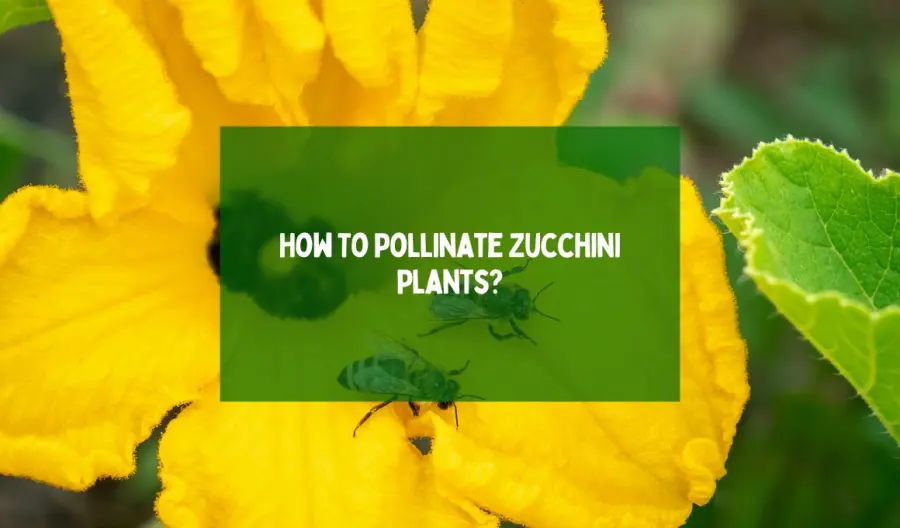
To pollinate zucchini plants, identify the male and female flowers, check for pollinators, and hand-pollinate if necessary. Use a brush or cotton to transfer pollen from the male flower to the stigma of the female flower in the morning. Monitor the plants for successful fruit development.
It is simple to pollinate zucchini plants by hand or with the assistance of pollinators like bees. The male and female flowers are present on the same plant in zucchini plants, which facilitates pollination. Sometimes the plants require a little help in order to ensure successful pollination.
In this article, I will give you tips so that you can easily pollinate your zucchini plants.
Let's start.
8 Tips on How to Pollinate Zucchini Plants
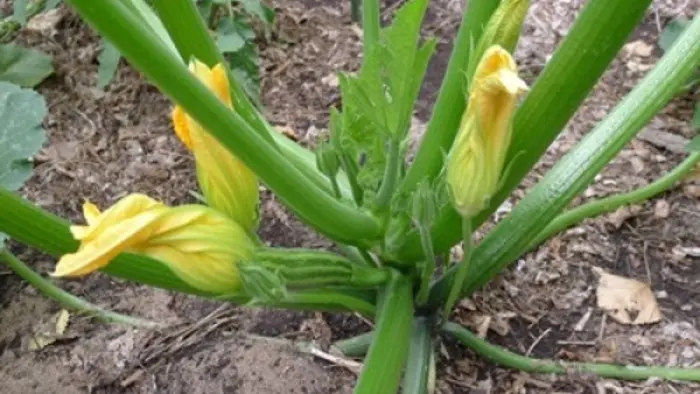
Zucchini plants are known for their delicious and nutritious fruits, which are commonly used in a variety of dishes. However, the plants need sufficient pollination in order to produce these fruits.
The following tips can help you pollinate zucchini plants:
1. Pick out the Male and Female Flowers
Zucchini plants generate male and female blooms. The male flowers, which are usually situated on long stems, are the first to emerge. The component of the flower that generates pollen, the stamen, is all that these flowers have.
The female flowers feature a little fruit at the base and a stigma, which is the area of the flower that accepts pollen, in the middle.
2. Look For Natural Pollinators
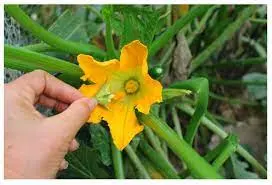
The main pollinators of zucchini plants are bees and other insects. You might have to manually pollinate the plants if there aren't enough pollinators in your area.
3. Hand Pollination
To pollinate the plants by hand, move the pollen from the male bloom to the female flower using a little brush or cotton swab.
To transmit pollen to the stigma of the female flower, gently brush the male flower's stigma to gather the pollen.
4. Use A Small Brush
You can use a small paintbrush or a cotton swab to transfer pollen from the male flower to the female flower. Gently brush the inside of the male flower to collect pollen, and then transfer the pollen to the center of the female flower.
5. Be Gentle With Flowers
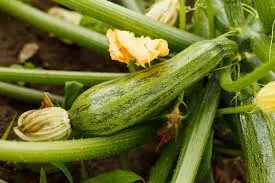
Be gentle when pollinating the flowers. Zucchini plants are delicate, and you don't want to damage the flowers or the plants.
6. Look For A Right Time
Early in the morning, when the blooms are completely open, is the right time to pollinate zucchini plants. At this moment, the pollen is at its peak viability, increasing the likelihood of successful pollination.
7. Observe The Plants
Make sure the plants are producing fruit by keeping an eye on them. It may be a clue that the plants are not being properly pollinated if you see that the fruits are not maturing or are falling off too soon.
8. Repeat The Process
Repeat the process every day until the female flowers are no longer producing fruit. This will ensure that the plant is pollinated and will produce a good yield.
Conclusion
Pollination is the process by which pollen is transferred from the male flower to the female flower. With proper identification of male and female flowers, timing, and monitoring, you can ensure that your plants are producing healthy and delicious fruits.
By following these tips, you can increase the success rate of pollination and the yield of your zucchini plants.
Thanks for reading!
Understanding Flower Timing and Why Pollination Fails
Even gardeners who know how to pollinate zucchini plants by hand run into trouble when they don't account for timing. Each zucchini flower, male or female, opens for a single day and closes for good by early afternoon, especially in warm weather. If you hand-pollinate in the afternoon, there's a good chance the flower has already closed and the effort is wasted. Pollinate in the early morning, ideally before 10 a.m., when flowers are fully open and pollen is fresh.
It's also common for male flowers to outnumber female flowers early in the season, sometimes by a wide margin. This is normal zucchini behavior, not a problem to fix. Female flowers, which you can identify by the tiny bulge at the base that looks like a miniature zucchini, typically start appearing a week or two after the first male flowers and become more frequent as the plant matures.
Signs Pollination Didn't Take
You'll know pollination failed if the small fruit at the base of a female flower starts to yellow, shrivel, and rot instead of growing. This is the plant's way of aborting an unfertilized fruit so it can put energy elsewhere. If you notice this happening repeatedly, it's a clear sign to start hand-pollinating rather than waiting on natural pollinators.
A fruit that grows but comes out pinched, curved, or bulbous at one end usually points to incomplete pollination, where only part of the flower received enough pollen. This is common in cool, damp, or windy weather when bees are less active, or in gardens with few pollinators around.
Attracting More Bees to Your Garden
Reducing your reliance on hand pollination starts with making your yard more appealing to bees.
- Plant bee-friendly flowers nearby. Borage, alyssum, and zinnias planted near your squash bed draw pollinators into the area and keep them visiting regularly.
- Avoid spraying pesticides during bloom. Even organic sprays like pyrethrin can harm bees if applied while flowers are open. If you must treat pests, spray in the evening after flowers have closed for the day.
- Leave some bare or mulched ground undisturbed. Many native bee species nest in the ground, and a tidy, fully mulched yard can leave them with nowhere to build.
- Provide a shallow water source. A shallow dish with pebbles for bees to land on gives them a place to drink without the risk of drowning, which helps keep them in your garden longer.
Hand-Pollinating Without Bees at All
If your garden has very few pollinators, you can also pollinate zucchini plants by picking a freshly opened male flower entirely, removing its petals to expose the pollen-covered stamen, and gently pressing it directly into the center of a female flower. This method transfers more pollen in one motion than a brush and works well if you're pollinating several female flowers in one morning.
How do you know if a zucchini flower has been pollinated?
Within a few days of successful pollination, the small fruit behind the female flower will noticeably swell and firm up instead of staying thin and turning yellow. The flower itself will wither and drop off naturally once its job is done, while the fruit underneath keeps growing.
Can you over-pollinate a zucchini flower?
No, there's no real downside to transferring extra pollen to a female flower. If anything, thorough coverage of the stigma improves the odds of an even, well-shaped fruit, so don't worry about being too generous when you pollinate zucchini plants by hand.
Pollinating Zucchini in a Greenhouse or on a Balcony
Bees rarely make it into an enclosed greenhouse or a high balcony container garden, which means hand pollination isn't optional in these settings, it's the only way you'll get fruit. Since there's no wind or insect traffic to move pollen around on its own, plan on checking your plants every morning during flowering and pollinating any open female flowers by hand. If you're growing several zucchini plants in the same enclosed space, you'll have a better chance of having open male and female flowers on the same day, which makes the whole process easier than trying to time a single plant.
Parthenocarpic Varieties: Skipping Pollination Altogether
Some newer zucchini varieties are bred to be parthenocarpic, meaning they set fruit without pollination at all. These varieties are popular for greenhouse growing precisely because they remove the guesswork, though the fruit is often seedless as a result. If you consistently struggle to pollinate zucchini plants because of a shady yard, an enclosed growing space, or a shortage of pollinators, looking for a parthenocarpic variety at the seed-buying stage can save you the daily hand-pollination routine entirely.
Mistakes That Lower Your Pollination Success Rate
- Washing pollen off your tools between flowers. There's no need to clean a brush between each use during the same morning session; a little residual pollen doesn't hurt and rinsing it away just wastes the pollen you already collected.
- Pollinating in the rain or right after watering. Wet pollen clumps together and doesn't transfer well. Wait for foliage and flowers to dry out before hand-pollinating.
- Giving up after one failed fruit. A single yellowed, shriveled fruit doesn't mean something is fundamentally wrong. Zucchini plants produce flowers continuously through the season, so treat an early failure as a reason to fine-tune your timing, not a reason to give up on hand pollination.
- Confusing a spent flower for a failed one. Male flowers naturally wither and drop within a day or two whether they've been used or not. Don't mistake this normal cycle for a sign that pollination isn't working.
Can you use a different squash plant's pollen to pollinate zucchini?
Pollen from other summer squash varieties, and even some pumpkins, can technically pollinate zucchini since they're often the same species, but the resulting seeds will produce an unpredictable cross if you save them. The fruit itself that season will still taste and look like normal zucchini, so this only matters if you're planning to save seeds for next year.
Why Hand-Pollination Sometimes Fails
If you've been hand-pollinating and still ending up with shriveled or rotting baby zucchini, a few common mistakes are usually to blame. Pollen loses viability quickly in extreme heat, so on days above the mid-90s, pollen collected even a few hours after flowers open may already be too weak to fertilize the female flower. Timing also trips people up - zucchini flowers open for one day only and typically close by early afternoon, so waiting until midday to pollinate often means working with flowers that are already closing. Heavy rain or watering overhead right after pollination can wash pollen off the stigma before fertilization is complete, and using a flower that's already starting to wilt at the edges rarely provides enough viable pollen to do the job. If fruit starts to form but then yellows and drops within a few days, that's usually a sign that pollination was incomplete rather than a disease problem.
Pollinating Zucchini in Greenhouses or Indoors
Growers working in a greenhouse, hoop house, or other enclosed space often have to hand-pollinate every flower, since bees rarely have consistent access indoors. The process is the same as outdoors, but it needs to happen daily and without fail, since there's no backup pollinator to catch flowers you miss. Keeping the structure's vents or doors open during the morning hours can invite in some natural pollinators, which reduces the workload, but most indoor growers still treat hand-pollination as the primary method rather than a backup plan.
How can I tell if my zucchini flower was successfully pollinated?
A successfully pollinated female flower will have a small fruit at its base that starts swelling and growing within two to three days, while the flower itself withers and drops off naturally. An unpollinated fruit stays the same small size, often turns yellow at the tip, softens, and eventually rots and falls off the vine.
Can I use one male flower to pollinate multiple female flowers?
Yes. A single male flower usually produces enough pollen to hand-pollinate two or three female flowers in one session. Since male flowers are typically far more numerous than female ones on a healthy plant, this isn't usually a limiting factor.
Why does my zucchini plant have only male flowers?
It's completely normal for zucchini plants to produce only male flowers for the first couple of weeks of blooming. Female flowers, identifiable by the tiny fruit at their base, typically show up a week or two later once the plant has matured enough to support fruit production.
Attracting Natural Pollinators to Reduce Hand-Pollination Work
Even if you're comfortable pollinating zucchini plants by hand, encouraging bees to visit your garden cuts down on the daily effort and often produces more consistent fruit set than hand-pollination alone. Planting flowering herbs like borage, oregano, and bee balm near your squash bed gives pollinators a reason to stick around the area rather than just passing through. Avoid spraying any pesticide, even organic options like insecticidal soap or neem oil, on open flowers during the morning hours when bees are most active, since that's when they're most likely to make direct contact with the spray. Leaving a shallow dish of water with a few pebbles in it nearby also gives bees a safe place to drink during hot weather, which keeps them working your garden longer through the day instead of seeking water elsewhere.