
Looking for a delicious and easy-to-make side dish for your next meal? Look no further than Thomas Keller's Oven-Roasted Zucchini recipe! This dish is bursting with flavor and is sure to impress your guests.
With just a few simple ingredients and some basic cooking skills, you can create a beautiful and tasty dish that will be the star of your meal. In this article, we'll guide you through the steps of making this delicious recipe, and provide some tips for getting it just right.
So grab your ingredients and let's get started!
Ingredients:
- 2 pieces zucchini or summer squash
- 2 tablespoons minced shallot
- 3 tablespoons olive oil
- 1 tablespoon minced fresh herbs
- 1 tablespoon high-temperature oil
- 1 tablespoon champagne or red wine vinegar
- 1/2 cup finely diced and ripe tomatoes
Instructions:
- Preheat your oven to 425°F (218°C).
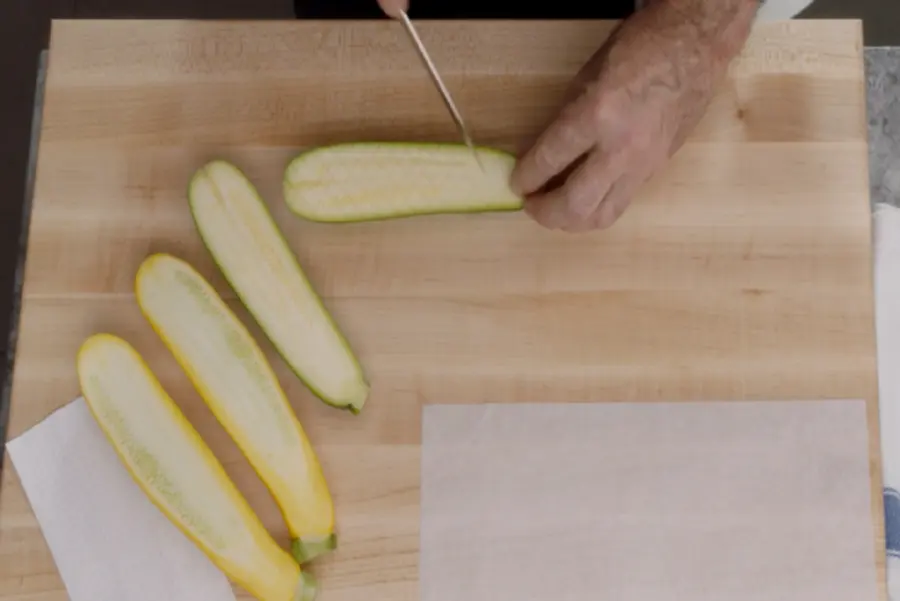
- Cut the zucchini into 1/4-inch-thick slices. Place the slices on a baking sheet.
- In a small bowl, whisk together the minced shallot, olive oil, fresh herbs, and vinegar.
- Drizzle the mixture over the zucchini slices, making sure each slice is coated evenly.
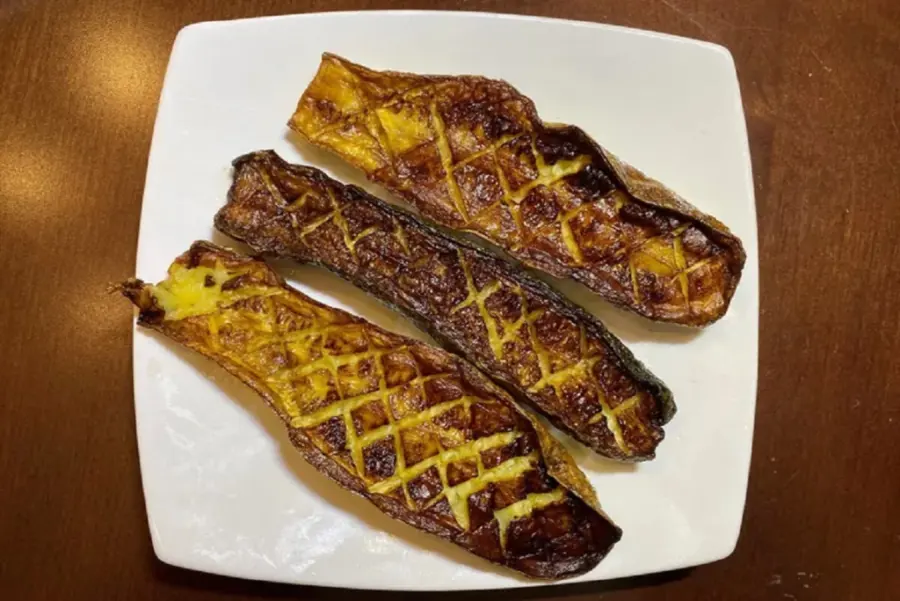
- Roast the zucchini in the preheated oven for 15-20 minutes, or until they are tender and lightly browned.
- While the zucchini is roasting, heat the high-temperature oil in a skillet over medium heat. Add the diced tomatoes and sauté until they are soft and juicy.
- Once the zucchini is done, remove it from the oven and transfer it to a serving platter. Top the zucchini with the sautéed tomatoes.
Serve hot and enjoy!
Related Reading:
- Try This Easy Tomato Soup With Cheese And Marmite Toast Recipe
- Nourishing And Comforting: Chunky Mediterranean Tomato Soup Recipe
- Grandma’s Secret Recipe: How to Make the Best Armenian Cucumber Pickle?
- Baked or Dehydrated Cucumber Chips – A Simple Low Carb Recipe
Tips for Perfectly Roasted Zucchini:
- Use fresh zucchini or summer squash for best results.
- Make sure to slice the zucchini evenly so that they roast evenly.
- Don't overcrowd the baking sheet, as this can prevent the zucchini from browning properly.
- Use a high-temperature oil like avocado oil or grapeseed oil for sautéing the tomatoes to prevent the oil from smoking.
Our Taste Test Results For Thomas Keller's Oven-Roasted Zucchini
We tried Thomas Keller's Oven-Roasted Zucchini recipe in our test kitchen and it was a hit! The zucchini was perfectly roasted, tender, and flavorful. The sautéed tomatoes added a burst of sweetness and acidity that balanced the dish perfectly. Overall, this recipe is a winner and we highly recommend it!
Choosing and Prepping the Right Zucchini
The quality of this dish depends more on your zucchini than on the technique. Look for zucchini that are firm from end to end with tight, glossy skin, ideally no longer than 6-8 inches. Larger zucchini tend to have more seeds, a spongier texture, and less flavor, which works against the clean, delicate result this recipe is going for. Give each one a light squeeze; it should feel dense with no soft spots.
Before slicing, pat the zucchini completely dry with a paper towel. Zucchini holds a surprising amount of surface moisture, and any dampness on the slices will cause steaming instead of roasting, leaving you with limp rounds instead of the lightly browned edges this recipe is known for.
Variations and Substitutions
Thomas Keller's oven-roasted zucchini is simple enough to adapt without losing what makes it work.
- No shallot on hand? A small amount of finely minced red onion or a single minced garlic clove will work in a pinch, though shallot's milder, slightly sweet flavor is closer to the original.
- Herb choice. Fresh thyme, basil, or chives all pair well here. If you only have dried herbs, use about a third of the amount called for fresh, since dried herbs are more concentrated.
- Vinegar swap. No champagne vinegar? White wine vinegar or a splash of fresh lemon juice will give you a similar bright finish without overpowering the dish.
- Dairy finish. A light scattering of shaved Parmesan or crumbled goat cheese over the top just before serving adds richness if you want to dress the dish up further.
Common Mistakes to Avoid
Even a simple recipe like this has a few places where things can go wrong.
- Slicing unevenly. If some pieces are thicker than others, thin slices will turn mushy while thick ones are still underdone. Take the extra minute to slice carefully, or use a mandoline for consistent 1/4-inch rounds.
- Crowding the baking sheet. Zucchini releases water as it cooks. If the slices are touching or piled up, that moisture has nowhere to go and the zucchini steams rather than roasts. Use two baking sheets if needed, and give each slice a little breathing room.
- Salting too early. Salting the zucchini before roasting draws out moisture ahead of time, which is useful for some preparations but works against you here since it can leave the slices limp before they even hit the oven. Season right before roasting instead.
- Not preheating the oven fully. Starting the zucchini in an oven that hasn't reached 425°F yet means a longer cook time and softer texture. Give your oven the full preheat cycle before the pan goes in.
Storage, Reheating, and Serving Ideas
Leftover roasted zucchini keeps in an airtight container in the refrigerator for up to 3 days. Reheat it in a hot skillet or a 400°F oven for a few minutes to bring back some of the browning; microwaving will make it soggy since it doesn't drive off the extra moisture that collects as it sits.
This dish pairs naturally with roast chicken, grilled fish, or a simply seared steak, and it's substantial enough to serve over a bed of orzo or soft polenta as a light vegetarian main. Leftovers also chop up well into a frittata or an omelet the next morning.
Can you make Thomas Keller's oven-roasted zucchini ahead of time?
You can prep the shallot-herb mixture and slice the zucchini a few hours ahead and store them separately in the fridge, but roast just before serving. Roasted zucchini loses its texture quickly once it sits, so this is not a dish that holds well fully cooked and reheated for a crowd.
What's the best oil to use for roasting the zucchini itself?
Extra-virgin olive oil is the classic choice for the shallot-herb marinade because its flavor comes through in a dish with so few ingredients. Save the higher-smoke-point oil, like avocado or grapeseed, for the tomato saute step, where the pan gets hotter and a delicate olive oil would scorch.
Why This Technique Works
The method behind Thomas Keller's oven-roasted zucchini is a good example of restraint doing more work than a long ingredient list. Coating the slices in a shallot and herb vinaigrette before roasting lets the zucchini absorb flavor as it cooks rather than after, so the seasoning penetrates instead of just sitting on the surface. High, dry heat at 425°F is what produces the light browning on the cut edges, which is where most of the flavor in roasted zucchini actually develops through caramelization of the natural sugars in the flesh. Finishing with a splash of vinegar right at the end, rather than cooking it in, keeps that acidity bright instead of letting it mellow out in the oven. It's the same logic behind a lot of classic French technique: build a dish from a small number of ingredients, but treat each one with enough care that it earns its place on the plate.
Scaling the Recipe for a Crowd
This recipe scales up easily since the ratios are simple to hold onto: roughly a tablespoon and a half of olive oil and a teaspoon of vinegar per medium zucchini. The one thing that doesn't scale linearly is oven space. Roasting more than two sheet pans' worth at once means rotating the pans halfway through cooking and possibly adding a few extra minutes, since ovens rarely heat evenly across multiple racks. If you're prepping for a dinner party, roast in batches and hold the finished zucchini loosely tented with foil rather than trying to cram every slice onto crowded pans, which brings back the steaming problem this recipe is designed to avoid.
Why did my roasted zucchini turn out watery instead of caramelized?
Watery zucchini almost always comes down to one of three things: slices cut too thick, a baking sheet that's overcrowded, or zucchini that wasn't dried well before slicing. Zucchini is over 90 percent water, and if that moisture can't evaporate quickly in a hot, well-spaced oven, it pools on the pan and steams the vegetable instead of roasting it. Thin, evenly cut slices with space between them on the pan are the fix.
A Note on Seasonality
Zucchini is at its best in the height of summer, when it's harvested young and hasn't had time to develop the tough skin and large seeds that older, out-of-season fruit tends to have. If you're making this dish outside of peak zucchini season, look for smaller fruit at the store even if it costs a bit more, since size is a much better indicator of quality than what the calendar says. The tomatoes matter just as much here. Sauteing underripe, out-of-season tomatoes won't give you the same sweet, juicy contrast that makes this dish work, so consider swapping in a handful of halved cherry tomatoes during colder months, since they tend to hold their flavor better year-round than large slicing tomatoes.
Can this recipe be made with yellow squash instead of zucchini?
Yes, yellow summer squash roasts the same way and can be used in place of zucchini or mixed with it for a more colorful presentation. The two are close enough in water content and texture that you don't need to adjust the cooking time or temperature at all.
What to Serve With Oven-Roasted Zucchini
This dish is versatile enough to sit alongside almost any main course. Its light, herby flavor pairs naturally with grilled or roasted proteins like chicken, salmon, or a simple steak, since the acidity from the vinegar cuts through richer meats without competing for attention. It also works well tossed through a bowl of pasta or grains - toss the roasted zucchini and tomatoes with orzo or farro and a little extra olive oil for a quick side salad. For a lighter option, pile it onto toasted crostini with a smear of ricotta or goat cheese for an easy appetizer. Because the flavors are clean rather than heavy, it also holds its own on a mezze-style spread next to hummus, olives, and grilled bread.
Storing and Reheating Leftovers
Leftover roasted zucchini keeps in an airtight container in the refrigerator for up to three days. The texture is best the day it's made, since zucchini continues to release moisture as it sits, but it's still good reheated. Skip the microwave if you can, since it tends to turn the slices soft and watery. Instead, spread the leftovers on a baking sheet and warm them in a 375°F oven for about five to seven minutes, which helps drive off excess moisture and bring back some of the browned edges. This dish isn't a great candidate for freezing - zucchini has a high water content, and freezing breaks down its cell structure, so thawed slices turn mushy rather than tender.
Can I make Thomas Keller's oven-roasted zucchini ahead of time?
You can slice the zucchini and mix the shallot-and-herb dressing several hours ahead, but hold off on combining and roasting them until closer to serving time. Dressed raw zucchini left to sit will start to release water and turn limp before it even reaches the oven.
Can I use a different vinegar, or skip it altogether?
Champagne and red wine vinegar are both mild enough not to overpower the dish, and a light sherry vinegar works as a substitute too. If you'd rather skip vinegar entirely, a squeeze of fresh lemon juice added after roasting gives a similar brightness without the sharper bite of a stronger vinegar like balsamic.
Is this roasted zucchini recipe low carb or keto friendly?
Yes. Zucchini itself is very low in carbohydrates, and the rest of the ingredients - olive oil, shallot, herbs, and tomato - are all low-carb as written, making this a solid side dish for keto or other low-carbohydrate eating patterns without needing any modification.
Equipment Tips for Even Roasting
The pan you roast on affects the outcome as much as the oven temperature does. A heavy rimmed sheet pan conducts heat more evenly than a thin, flimsy one, which helps prevent the scorched spots and undercooked centers that come from hot spots in a cheap pan. Lining the sheet with parchment paper makes cleanup easier, but skip it if you're chasing maximum browning, since direct contact with the metal produces better caramelization on the cut edges of the zucchini. Spacing matters too: arrange the slices in a single layer with a little room between each piece rather than letting them touch. Crowding the pan traps steam around the zucchini, which is the same mistake as leaving them wet before roasting, and it will leave you with soft, pale slices instead of the lightly browned ones this recipe is built around. If your oven runs hot or cold, an oven thermometer is worth the few dollars it costs, since a 425°F setting that's actually running 40 degrees off will throw the roasting time out the window.