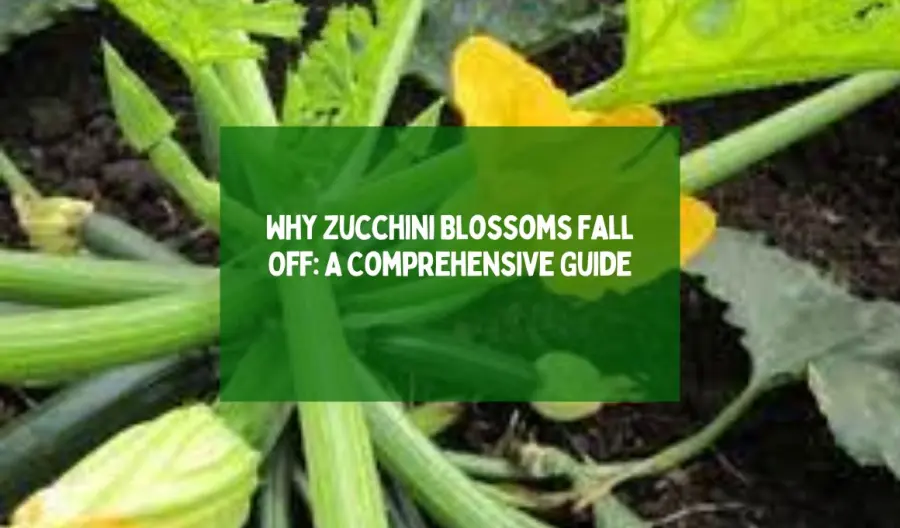
Zucchini blossoms are not only beautiful but also a delicious delicacy that many people enjoy. However, sometimes these blossoms fall off before they can be harvested, leaving gardeners scratching their heads as to why.
If you're one of those gardeners, you're in luck, because this guide will explore the five most common reasons why zucchini blossoms fall off and provide you with helpful tips on how to prevent it from happening.
This thorough guide will provide you with the knowledge you need to maintain healthy and flourishing zucchini plants, whether you are an experienced gardener or a novice.
5 Reasons Why Zucchini Blossoms Fall Off The Plant
Zucchini blossoms play an important role in the growth and development of zucchini, so their loss can be frustrating. In this section, we'll explore the reasons why zucchini blossoms fall off the plant and what can be done to prevent it.
Not enough pollination
Lack of fertilization is among the most frequent causes of zucchini blooms falling off the plant. For zucchini trees to generate fruit, fertilization is necessary. If insufficient insects are present, the blooms will not grow into fruit and ultimately fall off.
You can boost fertilization in your yard in several methods. Planting blooms and plants that appeal to pollinators, like bees and insects, is one method to increase their numbers. Another method is manually fertilizing the blooms by brushing pollen from male to female flowers with a tiny brush.
Elevated temperatures
High temps are another factor that causes zucchini blossoms fall off the plant. However, if the temperature increases above 90°F, the blooms may become agitated and fall off because zucchini trees favor mild conditions.
Make sure to give your plants regular waterings and cover during the warmest part of the day to avoid this from occurring. Another option is to try growing your zucchini in a spot that receives some light shadow.
Inadequate soil conditions
Zucchini blooms can also slide off the plant due to poor soil conditions. To develop correctly, zucchini plants require healthy dirt that is abundant in minerals like nitrogen, phosphate, and potassium.
The blooms won't turn into fruit if the earth is too arid or deficient in nutrition, and they will ultimately fall off. Make sure to feed your soil frequently with a balanced fertilizer and thoroughly hydrate your plants once a week to avoid this from occurring.
Infections and Pests
Blossoms on zucchini plants can also break off due to illnesses and pests. Squash bugs, cucumber beetles, and vine borers are typical parasites that attack zucchini plants. These bugs have the potential to harm the plant and stop it from bearing produce.
The blooms on zucchini bushes can also fall off due to diseases like powdery mildew. Maintain a tidy, clutter-free yard and, if you can, use sustainable pest control techniques to shield your zucchini plants from insects and illnesses.
Overcrowding
The zucchini blossoms plants may also fall off due to overpopulation. Insufficient room will prevent zucchini plants from growing properly, which will cause them to become agitated and lose their blooms. Overcrowding is also a reason why my zucchini blossoms fall off.
Planting your zucchini seedlings at least 2-3 feet apart will ensure that they have enough space to develop. You could also try supporting the plants with trellises or frames to keep them from getting too congested.
They grow best in warm weather and need full sun and warm soil of at least 15°C for their seeds to grow and develop well. Most kinds of zucchini are ready to eat in 48 to 60 days, but some, like marrow, take longer.
How long do zucchini flowers stay open?
Zucchini flowers are typically open for one day, and during that time, they are ready for pollination. The flowers will open in the morning and close in the late afternoon or evening.
This short lifespan is because the flowers are only receptive to pollination for a short period. After the flowers are pollinated, they will begin to develop into the zucchini fruit that we know and love.
It is important to note that not all zucchini flowers are created equal. There are male and female flowers, and they have slightly different lifespans. Male flowers typically open before the female flowers, and they will only last for one day.
The male flowers are responsible for producing the pollen that is needed for fertilization. The female flowers, on the other hand, will stay open for a few days until they are pollinated and fertilized.
Related Reading:
- How to Find, Prevent, and Treat Zucchini Plant Problems?
- Why Carrots Crack: Tips For Preventing Cracking In Carrots
- 10 Tomato Diseases – How to Recognize, Treat, and Prevent?
- Why Do My Cucumbers Die?
- How To Care For Pumpkin Plants?
Conclusion
In conclusion, lack of nourishment, high temperatures, poor soil, bugs and diseases, and overcrowding can cause zucchini blossoms to fall off. By preventing these issues, you can ensure a bumper crop of delicious zucchini.
Understanding Male and Female Flowers
A lot of confusion about why zucchini blossoms fall off comes down to not knowing that zucchini plants produce two different kinds of flowers. Male flowers grow on a long, thin stem and appear first, sometimes weeks before any female flowers show up. They exist purely to provide pollen and are never going to become fruit, so it's completely normal for male blossoms to open, get pollinated or not, and drop off the plant within a day or two. Female flowers are easy to tell apart because they have a small bulge, an immature zucchini, right behind the petals. If a female flower isn't pollinated within about a day of opening, it and the tiny fruit behind it will yellow, shrivel, and fall off. Recognizing which type of flower you're looking at prevents a lot of unnecessary worry.
Hand-Pollinating for Reliable Fruit Set
If you've ruled out other causes and zucchini blossoms fall off before fruit forms, hand-pollination is the most direct fix and takes only a minute or two each morning:
- Pick a freshly opened male flower (the one on the thin stem, no bulge behind it) early in the morning when pollen is most viable.
- Remove the petals to expose the pollen-covered anther in the center.
- Brush the anther directly onto the stigma of an open female flower (the bulge behind hers should already be visible).
- Repeat with two or three male flowers per female flower if you have them, since more pollen contact generally means better fruit set.
- Do this daily while flowers are open, since both male and female zucchini blossoms typically last for only a single day.
A small paintbrush works too if you'd rather not sacrifice a male flower each time, though using the flower itself tends to transfer more pollen.
Blossom Drop vs. Blossom End Rot
It's worth knowing the difference between these two problems, since they're often confused but need different fixes. Blossom drop is when the flower itself falls off, usually due to poor pollination, heat stress, or the natural die-back of spent male flowers, and it happens before or right as the fruit starts forming. Blossom end rot is different: it affects fruit that has already started growing, causing the blossom end (opposite the stem) to turn dark, sunken, and leathery while the flower itself is long gone. Blossom end rot comes from a calcium uptake problem, almost always triggered by inconsistent watering rather than an actual calcium shortage in the soil. If you're seeing rotting spots on developing fruit rather than flowers dropping before fruit forms, focus on watering consistency rather than pollination.
Watering Habits That Affect Blossom Drop
Both drought stress and waterlogged soil can cause zucchini blossoms to fall off, so consistency matters more than volume. Deep, infrequent watering that lets the top inch of soil dry out between sessions encourages strong roots and steady flowering. Shallow, frequent watering keeps roots near the surface where they're more vulnerable to heat, while erratic watering, drenching the plant one week and neglecting it the next, stresses the plant enough that it sheds flowers and even small developing fruit to conserve resources. A three-inch layer of mulch around the base helps even out soil moisture between waterings and reduces the swings that lead to blossom drop.
Attracting More Pollinators to Your Squash Bed
If hand-pollination feels like too much daily upkeep, building a garden that draws in more bees on its own solves the problem long-term. Plant flowers that bloom at the same time as your zucchini, borage, cosmos, sunflowers, and bee balm are all reliable bee magnets, within a few feet of your squash bed rather than clear across the yard. Avoid spraying any pesticide, even organic options like pyrethrin, on open flowers during daylight hours when bees are foraging; if you have to treat a pest problem, do it in the evening after blossoms close. Leaving a patch of bare, undisturbed soil nearby also helps, since many native bee species are ground-nesters and won't stick around a garden that's mulched edge to edge with no access to soil.
Other Factors That Contribute to Blossom Drop
Beyond pollination and heat, a few less obvious stressors can cause zucchini blossoms to fall off:
- Nitrogen overload: Too much nitrogen fertilizer pushes the plant into producing lush leaves at the expense of flowers and fruit. Switch to a fertilizer lower in nitrogen and higher in phosphorus once the plant is established and flowering.
- Transplant stress: Plants that were recently transplanted or disturbed by heavy wind or foot traffic near the roots often abort flowers while they recover.
- Overcrowding: Plants competing for light and nutrients have less energy to devote to maintaining flowers through to fruit set, which is another reason proper spacing matters from the start.
Frequently Asked Questions
Why do zucchini blossoms fall off even when bees are active in the garden?
Bee activity doesn't guarantee pollination succeeded. Cool, cloudy, or rainy weather reduces pollen viability and bee activity even if you see bees visiting other plants. Heat above 90°F can also make pollen less viable even when bees are working the flowers normally. In either case, hand-pollinating a few flowers as backup ensures at least some fruit sets during difficult weather stretches.
Is it normal for the first flowers of the season to all fall off?
Yes. Zucchini plants typically produce only male flowers for the first one to two weeks of flowering, before any female flowers appear. Seeing early blossoms drop without producing fruit is expected and not a sign of a problem, so don't panic if your first flush of flowers doesn't turn into zucchini.
Common Myths About Zucchini Blossom Drop
- Myth: Every dropped blossom is a problem. Zucchini plants produce far more male flowers than female ones, especially early in the season, and male flowers are only meant to open, release pollen, and drop off within a day or two. Watching zucchini blossoms fall off this way is completely normal and isn't a sign anything is wrong.
- Myth: A fallen blossom means the plant is sick. Even properly pollinated female flowers wither and drop once the tiny fruit behind them starts to swell - the flower has done its job. What matters is whether a small fruit is developing behind the flower before it falls, not the fact that the flower dropped.
- Myth: You should remove all male flowers to force more fruit. Male flowers supply the pollen female flowers need. Removing them, beyond harvesting a few for cooking, can actually reduce pollination and fruit set rather than improve it.
- Myth: Zucchini needs a second plant or variety nearby to pollinate. Unlike some fruit trees, a single zucchini plant is self-fertile - the same plant produces both the male and female flowers it needs. You don't need another plant for pollination, though having more flowers open at once, from one plant or several, does improve your odds of a successful pollination.
How can I tell male and female zucchini blossoms apart?
Male blossoms grow on a long, thin stem directly off the main stalk. Female blossoms grow with a small bulge - the unfertilized fruit - right behind the petals, and sit closer to the base of the plant on a shorter stem. Only female blossoms turn into zucchini, and only if they're pollinated.
Is it normal for zucchini blossoms to fall off?
Yes, for male flowers it's expected and happens on a one- to two-day cycle throughout the growing season. It's only a concern when female flowers consistently drop without leaving behind a swelling fruit, which points to one of the five causes covered above.
Can you eat zucchini blossoms that have fallen off?
Yes, freshly fallen male blossoms are perfectly edible and are the same blossoms used for stuffed squash blossom recipes. Use them the same day they drop, since they wilt quickly once picked.
Does removing a fallen blossom harm the plant?
No. Once a blossom has dropped, whether male or an unpollinated female, it has no further role in the plant's growth. Clearing fallen blossoms from the base of the plant is a good habit anyway, since decaying flowers can attract pests and encourage rot in humid conditions.