Zucchini is classified as a fruit botanically. It meets the definition of a fruit as it develops from the mature ovary of a flowering plant and contains seeds.
In culinary contexts, it is commonly considered and used as a vegetable due to its savory flavor and typical usage in savory dishes.
The culinary classification of fruits and vegetables is based on their culinary usage rather than their botanical classification. While zucchini is technically a fruit, its practical use as a vegetable in cooking has led to its classification as such in culinary terms.
In this article, I will explain whether zucchini is a fruit or vegetable, why, and how.
Let's start.
- Best Zucchini Varieties To Grow In Containers
- What is the Difference Between Zucchini and Courgette?
- Growing Zucchini And Tomatoes Together Companion Planting
- Can You Eat Deformed Zucchini?
Technically Zucchini Is A Fruit In Botanical Terms
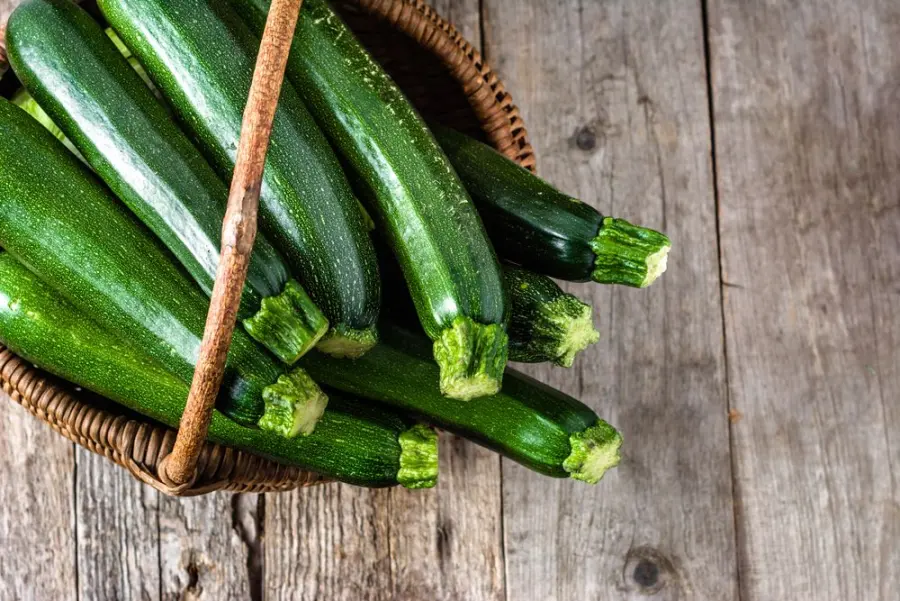
Technically, zucchini is classified as a fruit rather than a vegetable.
In botanical terms, a fruit is defined as the mature ovary of a flowering plant that contains seeds. Zucchini belongs to the Cucurbitaceae family, which includes other fruits such as cucumbers, pumpkins, and melons.
1. Pollination
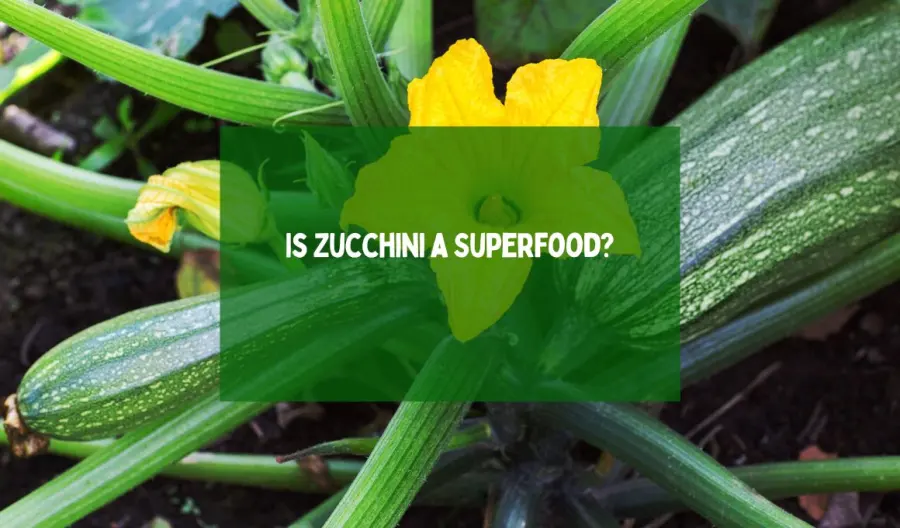
It develops from the female flower of the zucchini plant, which bees or other insects use to pollinate. Once pollination occurs, the ovary swells and eventually develops into a zucchini.
Despite its fruit classification, zucchini is typically used in savory dishes and culinary preparations that are traditionally associated with vegetables. Its mild flavor and firm texture make it a versatile ingredient in various cuisines.
2. Health Benefits
From a nutritional standpoint, zucchini offers several health benefits. It is low in calories, carbohydrates, and fat, making it a suitable choice for individuals looking to manage their weight or blood sugar levels.
Whether considered a fruit or a vegetable in culinary terms, zucchini remains a nutritious and versatile ingredient that can be enjoyed in a wide range of dishes, including stir-fries, salads, soups, and even baked goods.
Considered As Vegetable In Cooking
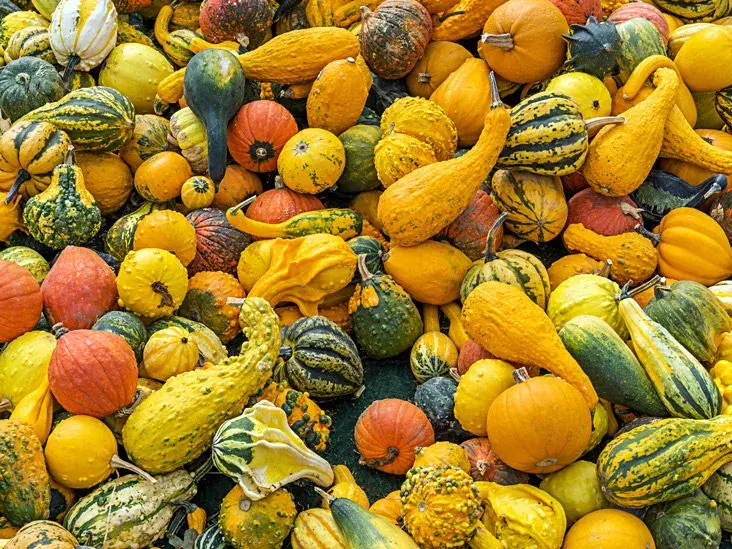
As you know, technically, zucchini is considered a fruit from a botanical perspective, but it is also considered and used as a vegetable in cooking. This is primarily due to its culinary applications, taste profile, and how it is typically prepared and consumed.
1. Used In Many Ways
In culinary contexts, vegetables are often associated with savory dishes and are used as ingredients in main courses, side dishes, salads, and more. Zucchini aligns with this usage, as it is primarily incorporated into savory recipes and rarely used in sweet or dessert preparations.
The mild flavor and versatile nature of zucchini make it well-suited for savory dishes. It can be sautéed, grilled, roasted, steamed, or baked and pairs well with various seasonings, herbs, and spices.
2. Benefits Of Zucchini As A Vegetable
Zucchini's firm texture also holds up well in cooking, allowing it to be incorporated into stir-fries, pasta dishes, casseroles, and more. Zucchini's low sugar content and mild taste make it less desirable for sweet applications compared to other fruits like berries or apples.
Its relatively neutral flavor profile allows it to blend seamlessly with other savory ingredients and complement the overall taste of a dish.
This distinction between botanical classification and culinary usage highlights the versatility and adaptability of zucchini in various culinary traditions and practices.
The Bottom Line
Zucchini is technically classified as a fruit due to its botanical definition as the mature ovary of a flowering plant. However, in culinary contexts, zucchini is commonly regarded and used as a vegetable. Its savory flavor, culinary applications, and typical usage in savory dishes distinguish it from fruits used in sweet preparations.
Whether we view it as a fruit or a vegetable, zucchini remains a versatile and nutritious ingredient that adds depth and flavor to a variety of savory recipes.
Thanks for reading!
Squash Blossoms Are Edible Too
Since a zucchini plant produces both male and female flowers, and only the female flowers turn into fruit, the male flowers are essentially surplus — and they happen to be edible. Squash blossoms are a genuine delicacy in Italian and Mexican cooking, most often stuffed with soft cheese and lightly fried, or torn up and added to quesadillas, soups, and pasta. Because they wilt within a day of picking, you'll rarely find them at a regular grocery store; they're mostly a farmers-market or home-garden treat. If you're growing your own zucchini, picking a few extra male blossoms doesn't hurt fruit production at all, since a healthy plant produces far more male flowers than it needs for pollination.
Common Zucchini Varieties and How They Differ
Not all zucchini looks or grows the same way. The classic dark-green, cylindrical type most people picture is often a variety like Black Beauty, but plenty of others show up in gardens and markets:
- Golden zucchini has bright yellow-gold skin and the same mild flavor, often used to add color contrast to a dish.
- Costata Romanesco has distinctive pale ribbing running down its length and a slightly nuttier flavor, popular for grilling.
- Round zucchini, like Eight Ball or Ronde de Nice, forms a compact sphere rather than a cylinder and is well suited to stuffing.
- Striped or speckled varieties combine light and dark green skin and are grown mostly for their appearance, since the flesh underneath tastes much like any other zucchini.
All of these belong to the same species, Cucurbita pepo, and are grown, harvested, and cooked in essentially the same way — the differences are mostly cosmetic and don't change how you'd use zucchini in a recipe.
Other Vegetables That Are Actually Fruits
Zucchini isn't alone in this mix-up. Once you understand the botanical rule — if it grows from a pollinated flower and holds the seeds, it's a fruit — a surprising number of "vegetables" in your kitchen qualify:
- Tomatoes: technically a fruit (a berry, specifically), though the U.S. Supreme Court famously classified them as a vegetable for tariff purposes in 1893.
- Cucumbers: close relatives of zucchini in the same family, and fruits by the same definition.
- Eggplant: another nightshade fruit that's cooked and eaten like a vegetable.
- Peppers, both sweet and hot, develop from a flower's ovary and contain seeds.
- Pumpkins and winter squash: zucchini's larger cousins, and fruits for the same reason.
- Avocados and olives: less obvious examples, but both are fruits that most people treat as savory ingredients.
This is why the fruit-versus-vegetable question comes up so often in the kitchen. Botany and cooking use two entirely different classification systems, and they were never meant to agree with each other.
How a Zucchini Actually Forms on the Plant
A zucchini plant produces two kinds of flowers on the same vine: male flowers, which grow on long, thin stems and produce pollen, and female flowers, which grow closer to the vine and have a small, immature fruit already visible behind the petals. Only the female flower can develop into a zucchini, and only after a bee or other pollinator moves pollen from a male flower to it.
Once pollination succeeds, the tiny fruit behind the female flower begins to swell. Within a few days you'll see it lengthen noticeably, and a well-pollinated zucchini plant in warm weather can put on an inch or more of growth per day. Poor pollination is the most common reason gardeners find shriveled, stunted fruit at the blossom end — the flower simply didn't receive enough pollen to support full development, even though the plant itself is healthy.
Where Zucchini Came From
Despite its strong association with Italian cooking, zucchini as we know it didn't originate in Europe. The Cucurbita pepo species is native to the Americas, where squash has been cultivated for thousands of years. Seeds and plant material made their way to Italy after European contact with the Americas, and Italian growers spent generations selectively breeding the summer squash into the slender, thin-skinned, fast-maturing fruit we now call zucchini. That refined variety was then reintroduced to the United States in the late 19th and early 20th centuries, largely through Italian immigrant communities — which is part of why the Italian name stuck in American English.
Frequently Asked Questions
Is zucchini the same thing as squash?
Zucchini is a type of summer squash, but not all squash is zucchini. "Summer squash" is the broader category that includes zucchini along with yellow crookneck, pattypan, and straightneck squash — all harvested young, before the skin and seeds toughen. "Winter squash," like butternut or acorn, comes from related but different species and is left on the vine until fully mature with a hard rind.
Can you eat zucchini seeds?
Yes. In a young zucchini the seeds are so small and soft you likely won't notice them at all. In an overgrown zucchini the seeds become larger and more fibrous, and many cooks scoop them out before cooking, similar to how you'd seed a cucumber.
Does zucchini need to be peeled?
No — the skin is thin, edible, and holds a good share of the fiber and color pigments in the fruit. Most recipes call for washing it well and leaving the skin on, unless you're going for a specific texture, like a very smooth soup.
Why does zucchini sometimes grow oddly shaped?
A bulbous or narrow, curved zucchini is almost always a sign of incomplete pollination rather than a plant health problem. If only part of the female flower's ovary receives pollen, that section of the fruit develops normally while the rest stays underdeveloped, producing a lopsided or club-shaped zucchini. It's still perfectly safe to eat; it just won't be as visually uniform as one that was fully pollinated.
Other Common "Vegetables" That Are Technically Fruits
Zucchini isn't alone in this mismatch between botanical classification and kitchen terminology. Quite a few everyday "vegetables" are, strictly speaking, fruits, because they develop from a flower's ovary and contain seeds:
- Tomatoes — grow from the tomato plant's flower and contain seeds, yet are almost always treated as a savory vegetable in cooking.
- Cucumbers — a close cucurbit relative of zucchini, with the same fruit structure.
- Eggplants — develop from a flowering nightshade plant and are seed-bearing, just like zucchini.
- Peppers — both sweet and hot varieties form from a pollinated flower and contain seeds inside.
- Pumpkins and other winter squash — part of the same Cucurbitaceae family as zucchini, and botanically fruit for the same reasons.
- Green beans and peas — the pods develop directly from a flower's ovary, making them fruit in the botanical sense despite being cooked and served as vegetables.
In every one of these cases, the plant is technically producing a fruit, but the mild or savory flavor and the way it's used at the table push it firmly into "vegetable" territory in everyday language.
The Legal Side of Fruit vs Vegetable Classification
This isn't just a matter of casual usage — it's been settled in court. In the 1893 case Nix v. Hedden, the United States Supreme Court ruled that tomatoes should be classified as vegetables for the purposes of import tariffs, even though the Court acknowledged that a tomato is botanically a fruit. The reasoning was that tomatoes are grown in vegetable gardens, served with dinner rather than dessert, and used the way people commonly use vegetables, so that's how the law would treat them. The same culinary logic applies to zucchini: botanically a fruit, but classified and taxed like a vegetable because of how it's actually grown, sold, and eaten.
Why Is Zucchini Called a Vegetable If It's Botanically a Fruit?
Because everyday and legal classification systems are based on culinary use, not botany. Zucchini is savory, low in sugar, and used in main dishes and sides the way vegetables typically are, so it gets grouped with vegetables in grocery stores, recipes, and dietary guidelines, even though a botanist would call it a fruit.
Are Cucumbers, Peppers, and Eggplants Also Fruits?
Yes. All three develop from a pollinated flower and contain seeds, which meets the botanical definition of a fruit, just like zucchini. Like zucchini, they're prepared and eaten as savory vegetables, so culinary classification and botanical classification simply diverge for all of them.
Does It Actually Matter Whether Zucchini Is a Fruit or a Vegetable?
For everyday cooking, not really. Recipes, grocery store layouts, and dietary guidelines all group zucchini with vegetables because that's how it's used at the table, and that convention isn't going to change based on botanical technicalities. The distinction matters more in a biology classroom or in specific legal and agricultural contexts, like the tariff dispute that shaped Nix v. Hedden, than it does when you're deciding how to prepare dinner. Knowing the botanical answer is mostly a fun piece of trivia rather than something that changes how you shop, cook, or eat zucchini.